What to check when replacing number plates after theft or damage
Start with the legal basics
When a number plate goes missing or gets damaged, the first thought is usually to get a replacement as quickly as possible. But rushing the process can lead to problems with the law, your insurer, or even the next MOT. The rules around legal number plates in the UK are specific, and they exist to keep vehicles identifiable and road safety standards high. Whether the plate was stolen, cracked in a minor bump, or simply faded beyond legibility, there are several things to tick off before you order a new set.
This checklist covers the main points to consider, from checking your vehicle documents to making sure the replacement meets the required standards. Each point includes a short reason why it matters, so you can see the bigger picture without getting bogged down in legal jargon.
1. Check your vehicle documents first
Before you even think about ordering, you need to confirm that the registration mark is still yours to use. If the car was recently bought or the log book is not in your name, you may not be entitled to order a replacement. The DVLA keeps a central record of every registration mark, and a supplier cannot legally make a plate without seeing proof of entitlement. That proof usually comes in the form of a V5C log book, a green new keeper slip, or a retention certificate. If the plate was stolen, you might also need a crime reference number to show to the supplier, as some will ask for it before proceeding.
The reason for this step is simple: legal number plates are tied to the vehicle and its registered keeper. A supplier who skips this check could be fined, and you could end up with a plate that is not officially recognised. So dig out the documents before you do anything else.
2. Inspect the old plate for damage
If the plate was not stolen but simply damaged, take a close look at it. A plate crack that runs across a character can make the registration mark unreadable from a distance, which is an MOT failure. The same applies to faded characters, where the black lettering has turned grey or patchy. Even a small chip near a fixing hole can grow into a larger crack over time, especially in cold weather when the acrylic becomes brittle.

It is worth noting that the law requires number plates to be readable from 20 metres away. If you have any doubt about the condition of the existing plate, replace it. Trying to patch up a cracked plate with tape or glue is not a legal fix, and it could land you a fine or a failed roadside check.
3. Confirm the plate specifications
Legal number plates in the UK must follow a strict set of rules. The background must be a specific shade of yellow for the rear and white for the front. The characters must be a certain height, width, stroke thickness, and spacing. The font must be the standard Charles Wright typeface, and there are rules about where the supplier's postcode and the BS AU 145e mark appear. If you are replacing a plate from a few years ago, the standard may have changed. The current standard is BS AU 145e, which includes a hologram and a more durable reflective backing.
When you order a replacement, make sure the supplier uses the correct materials. A plate that looks fine at first glance but fails the spacing rules will not pass an MOT. It can also attract the attention of the police, who have the power to issue a fine and even confiscate the plate on the spot.
4. Check the fixing holes and mounting
If the old plate was held on with screws, the fixing holes might have rusted or enlarged over time. When you fit the new plate, those holes need to be clean and properly aligned. A loose plate can vibrate at speed, which wears out the holes further and can eventually cause the plate to fall off. If the mounting surface is damaged or bent from the accident, you may need to repair it before fitting the new plate.
Some modern cars have recessed mounting points or adhesive pads instead of screws. If your car uses pads, make sure the surface is free of old adhesive and grease before applying the new plate. A plate that is not securely fixed can become a hazard if it detaches on the motorway.
5. Order from a registered supplier
Not every company that sells number plates is registered with the DVLA. Only registered suppliers can legally produce number plates, because they are required to check your entitlement documents and keep a record of each plate they make. If you buy from an unregistered seller, you risk getting a plate that does not meet the standards, and you have no comeback if the plate fails an MOT or is questioned by the police.
One registered supplier that many UK motorists turn to is Number Plate Maker UK. They offer DVLA-compliant plates with live design previews, so you can see exactly what the finished plate will look like before you order. The process is straightforward: you upload your documents, choose your style, and the plate is dispatched quickly. Using a registered supplier like Number Plate Maker UK gives you peace of mind that the replacement meets the legal requirements and that your paperwork is handled correctly.
6. Consider the style and visibility
While the law sets strict rules for the background and characters, you still have some choice in the style. You can opt for a standard plate with a clear reflective finish, or choose a 3D gel effect that adds depth to the characters. Some suppliers offer carbon fibre or hex carbon finishes, but check that these are still within the legal limits. The key requirement is that the plate remains fully reflective and the characters are clearly visible in all lighting conditions.
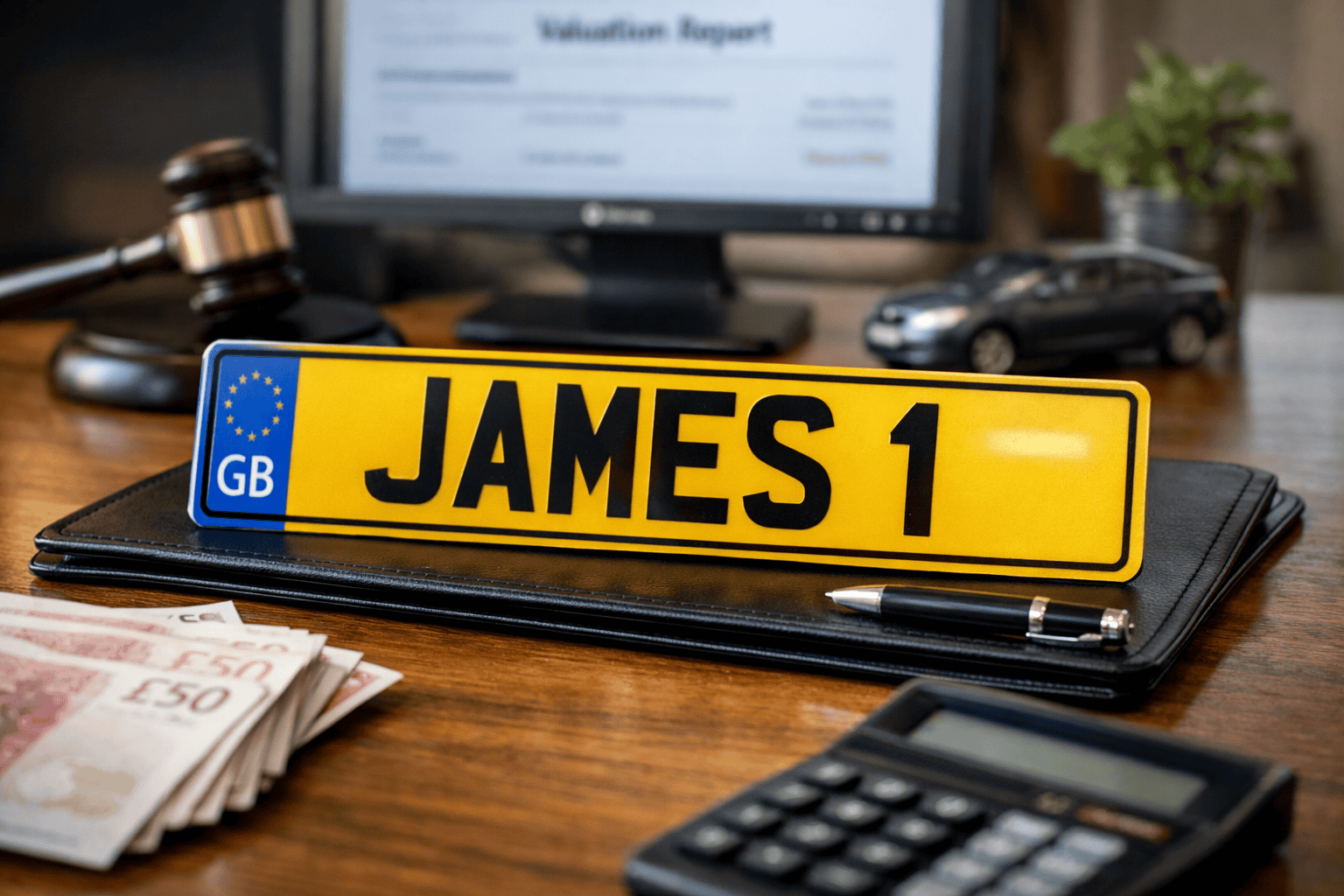
Visibility is not just about the colour and reflectivity. If the plate is dirty, scratched, or fitted at an odd angle, it will be harder to read. After fitting the new plate, give it a clean with a soft cloth and warm soapy water. Avoid abrasive cleaners that can scratch the surface and reduce reflectivity over time.
7. Report theft to the police and DVLA
If the plate was stolen, do not just order a replacement and forget about it. Report the theft to the police, even if you do not expect them to investigate. A crime reference number can help if the stolen plate is later used on another vehicle for a crime. It also supports your case if you need to prove to your insurer that the plate was not misused by you. After reporting it, inform the DVLA that the plate has been stolen. They can flag the registration mark so that any future applications involving that plate are checked more carefully.
Some insurers require you to report the theft within a certain time frame, or they may refuse to cover any claims related to the missing plate. Check your policy documents and make the call as soon as possible.
8. Keep the old plate if possible
If the plate was damaged but not destroyed, keep it until the replacement arrives. You can use it as a template for the fixing holes and the exact positioning of the characters. Some suppliers ask for a photo of the old plate to confirm the registration mark and style. If the plate was stolen, obviously you will not have it, but a photo from your phone might still be useful to show the supplier the style you had before.
Once the new plate is fitted, you should destroy the old one by cutting it up or scratching the characters beyond recognition. This prevents anyone from using it on another vehicle or forging a duplicate. Do not just throw it in the bin, as it could be retrieved and misused.
9. Double-check the new plate before fitting
When the replacement arrives, inspect it carefully before you fit it. Check that the registration mark matches your V5C, that the spacing is correct, and that the supplier's details are printed in the required area. Hold it up to the light to see if the reflective backing is even. If anything looks off, contact the supplier immediately. Fitting a plate with a mistake means you will have to remove it and order again, which wastes time and money.
It is also worth checking that the plate is flat and not warped. A plate that has been stored or shipped incorrectly can have a slight curve that prevents it from sitting flush against the mounting surface. This can cause glare and reduce readability.
10. Fit the plate properly
Fitting a number plate is a simple job, but it pays to do it right. If you are using screws, make sure they are the correct length so they do not protrude through the plate and scratch the paintwork. Use a screwdriver with a good grip to avoid stripping the screw head. If you are using adhesive pads, clean the surface with isopropyl alcohol or a similar degreaser, and press the plate firmly for at least 30 seconds. Leave the car stationary for a few hours to let the adhesive bond fully.
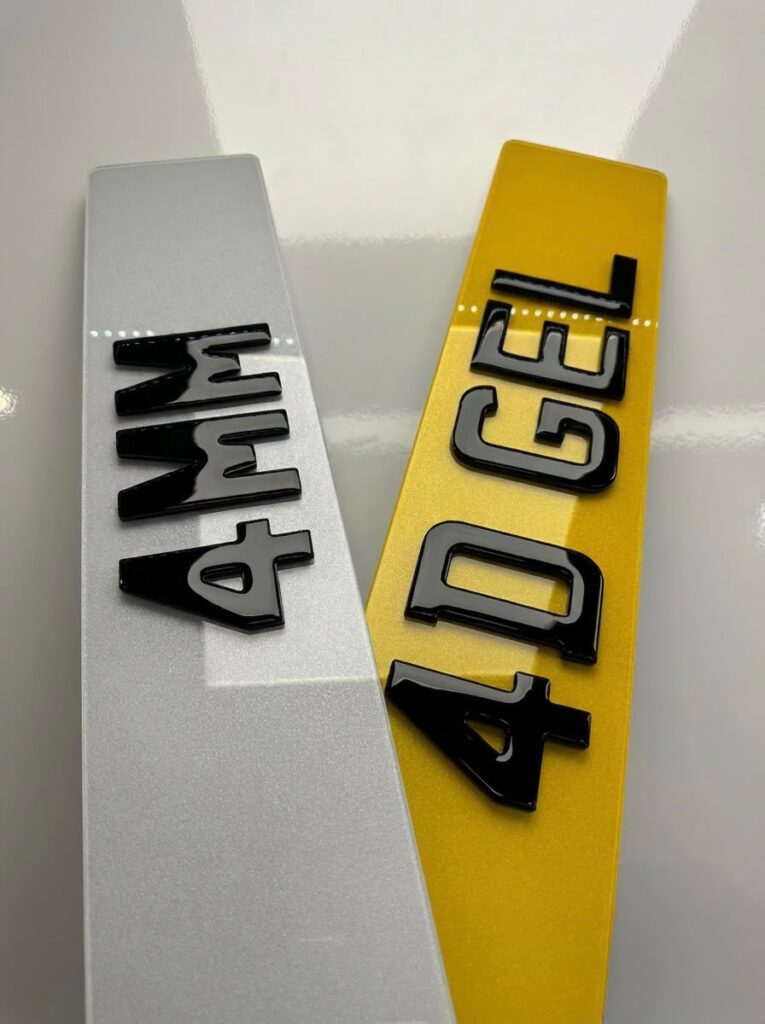
After fitting, step back and check that the plate is level and centred. A crooked plate looks unprofessional and can draw unwanted attention from the police. If you are unsure about fitting it yourself, many garages will do it for a small fee.
Final checks on the road
Once the new plate is fitted, take the car for a short drive and then check the plate again. Vibration can sometimes loosen a screw or shift an adhesive pad. If the plate feels loose, tighten it or replace the pad. Also check that the plate lights are working, as the rear plate must be illuminated at night. A blown bulb is a common MOT failure and can be replaced cheaply.
By following this checklist, you can replace a lost or damaged number plate with confidence, knowing that the new plate is fully legal and correctly fitted. Taking a few extra minutes at each stage saves the hassle of a failed MOT, a police stop, or an insurance headache later on.